By Melissa Reizer
Was Isaac Conro a real person?
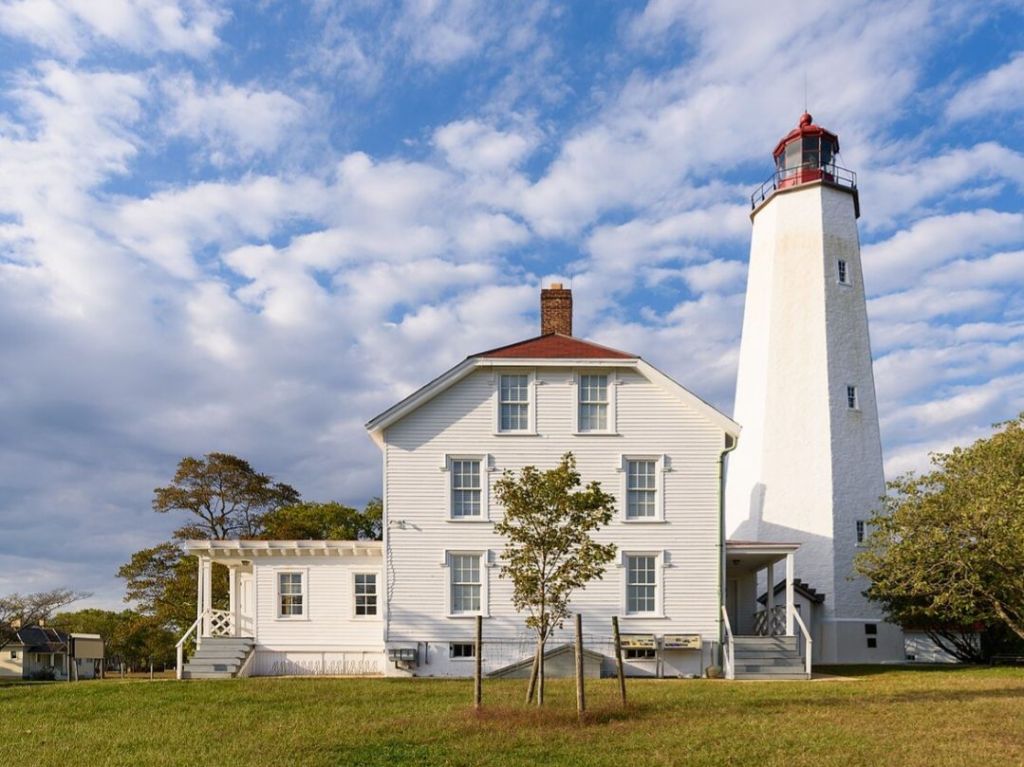
Isaac Conro allegedly built the oldest working lighthouse in America in Sandy Hook, New Jersey, without formal architectural or construction training.
Completed and first lit on June 11, 1764, this lighthouse was so well constructed that, in 1852, a congressional inquiry officially ranked it among the top three best-built lighthouses in the United States. Over 100 years later, with little weather damage and little deterioration, this lighthouse still stands and works.
The Sandy Hook Lighthouse
In my view, Isaac Conro was apparently a genius or an idiot savant! His lighthouse is still standing in 2026. Who the heck was this man, and what else did he build during his lifetime?
Wikipedia was very modest about his credentials, offering a short one-page bio. “He is best remembered for having built New Jersey’s Sandy Hook Lighthouse in 1764, a structure whose principal task has been, from the outset, to guide ships into New York Harbor. Today, it is the oldest standing navigational aid in the United States.”
Mr. Conro died in 1771.
I’m surprised the Internet knows so much about a man whose education and apprenticeship are unknown.
I asked Google, “What is the likelihood of a person with Conro’s background and lack of formal education being able to construct a lighthouse in the 1760s, and it still functional today?” Google answered, “The likelihood of someone with this exact background building a lighthouse in New Jersey around 1760 is actually EXTREMELY HIGH.”
So this diamond in the rough, whose education is unknown, built this masterpiece, and Google has no problem backing this goofy, unbelievable storyline.
For those interested, New Jersey in the 1760s fell within the Little Ice Age. (A centuries-long global period characterized by notably colder, harsher winters across northeastern North America than today.) Also, the Sandy Hook peninsula had no formal or paved roads. Sandy Hook was described as a wild, isolated location with many dunes. How were construction materials (rubble stone) delivered to the building site when the geography was not conducive to it? Also, no one knows where the stone came from.
How many animals were needed to haul stones over unpaved roads, and how much food and water were needed to sustain them in harsh weather?
My final question: Was Conro a real person, or just a made-up name used to support the official narrative? He has no other completed buildings credited to his resume. Was this lighthouse found, and did another technologically advanced civilization build it?
Melissa Reizer is a 1993 graduate of the Ocean Massage Institute in New Jersey. She resides in South Carolina with her husband. Melissa holds a Bachelor of Science degree in Holistic Nutrition. Melissa is a writer and co-author of the book The Matrix Reloaded Yet Again. Melissa has been a practicing licensed massage therapist and cosmetologist since 1993.
Watch the Target List movie
Click on the poster to watch Target List for free!
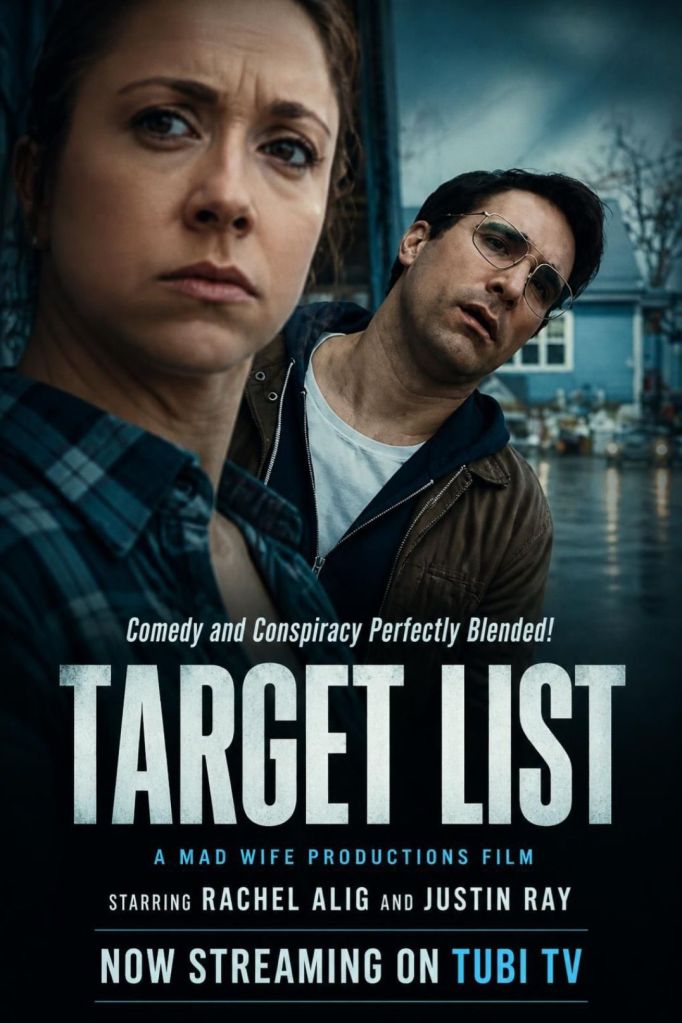
A film with humor and an important message
Click on the ticket to watch Target List
“Reaching over 1,300 ratings on IMDb solidifies Target List as a genuine success story in the world of micro-budget filmmaking.” – Google
From Author Lisa Hakes
Learn More Here!
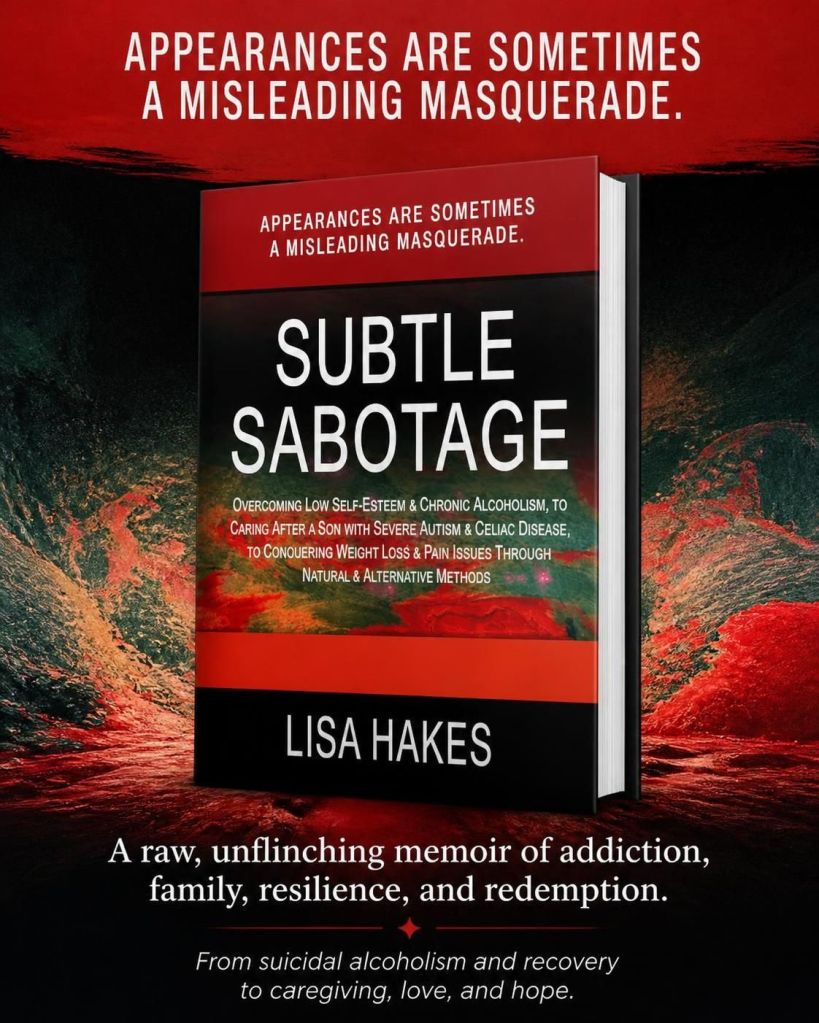
Additionally, it is a vaccine injury story!
Book overview
A raw and honest page-turning memoir of addiction, family dynamics, resilience, and redemption, Subtle Sabotage spans Lisa Hakes’ life as a suicidal alcoholic, her eventual recovery, and her current experience as the caretaker of an adult child with autism and celiac disease.
From Author John Reizer
Releasing on Halloween!
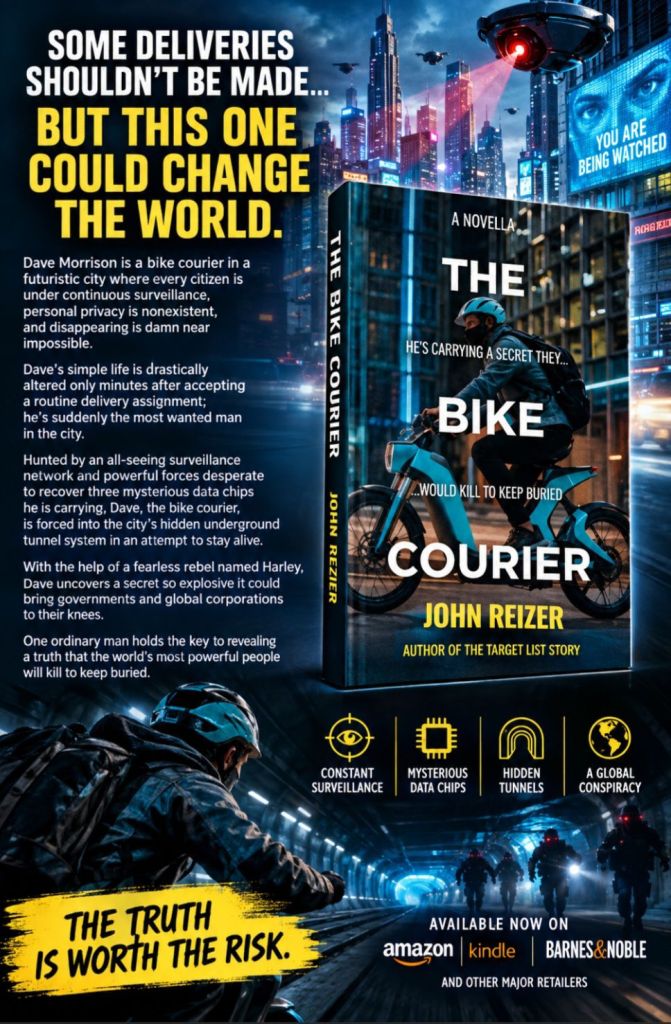
From Author John Reizer
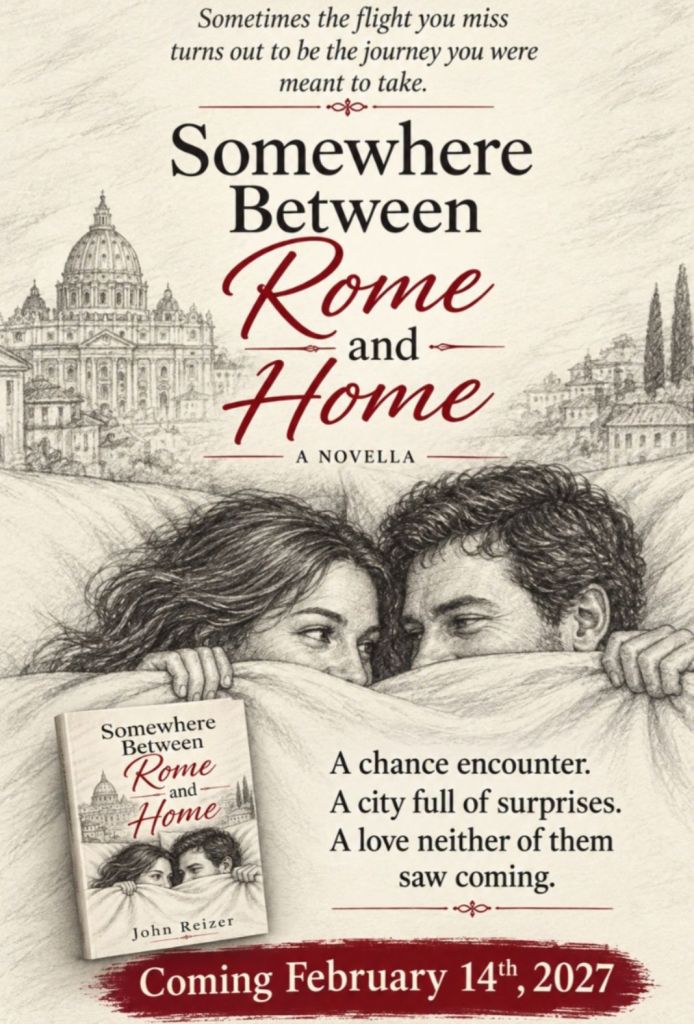
What’s it about?
When architect Nathan Wells and teacher Stephanie Bentley miss their flights home from Rome, they spend five unexpected days exploring the city together, forming a deep connection that challenges their separate lives.
Review
“Anyone who enjoys romance, chance meetings, and tales about two people finding each other at just the right time should pick this one up.“
—Jennifer Senick for Readers’ Favorite
Target List – A Feature Film
Click the poster below to watch Target List
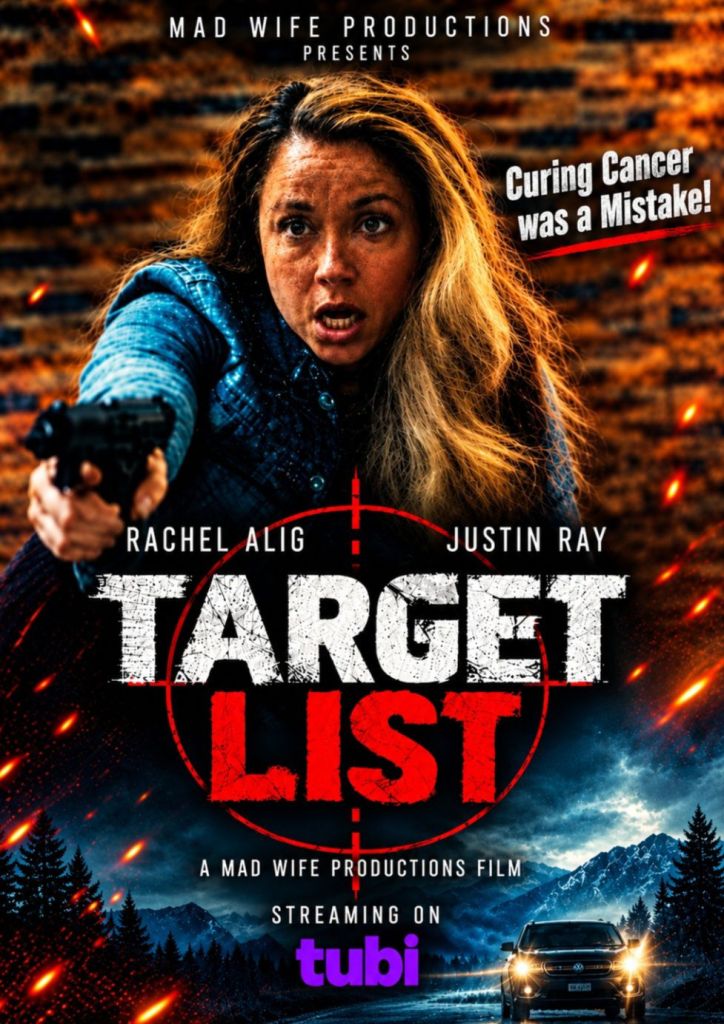
About Target List
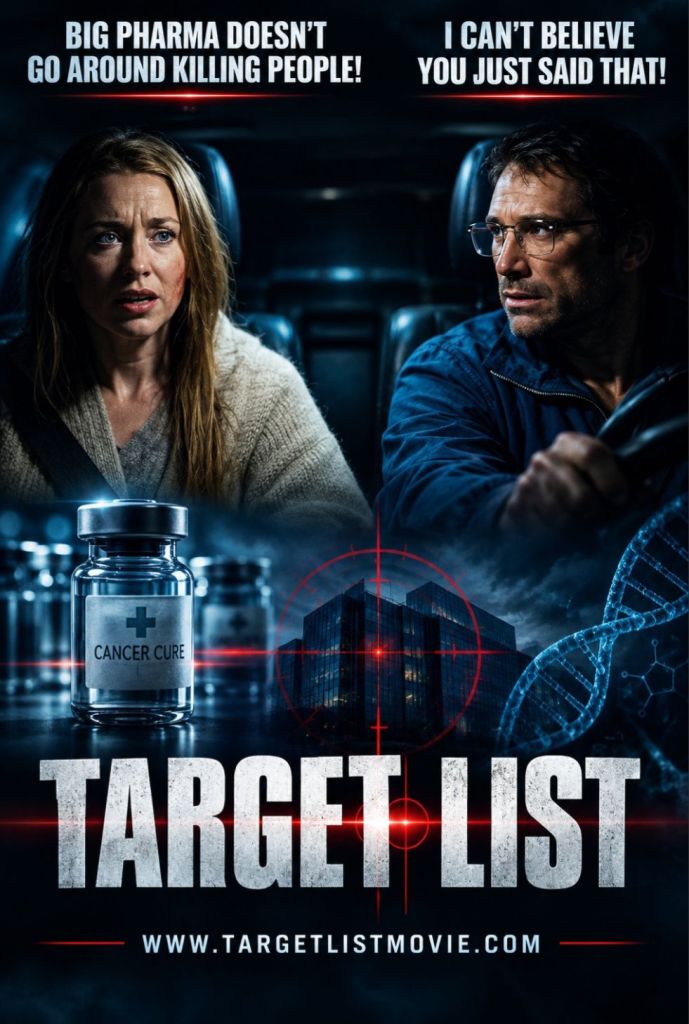
After announcing a ground-breaking cancer cure, five members of the research team are targeted by an assassin hired by big pharma. When two researchers escape the attack, they soon find themselves framed for the crime and on the killer’s target list.
Watch the Movie Trailer
Watch Target List for Free!
Click on the poster below to watch Target List
Click on the image to visit my author site.