Watch Chris Kelly and John Reizer on Tuesday, November 11th at 8 PM ET!
Dr. John Reizer
Modern Medicine was complicit in participating in a vaccine genocide against humanity and continually participates in the agenda to this day.
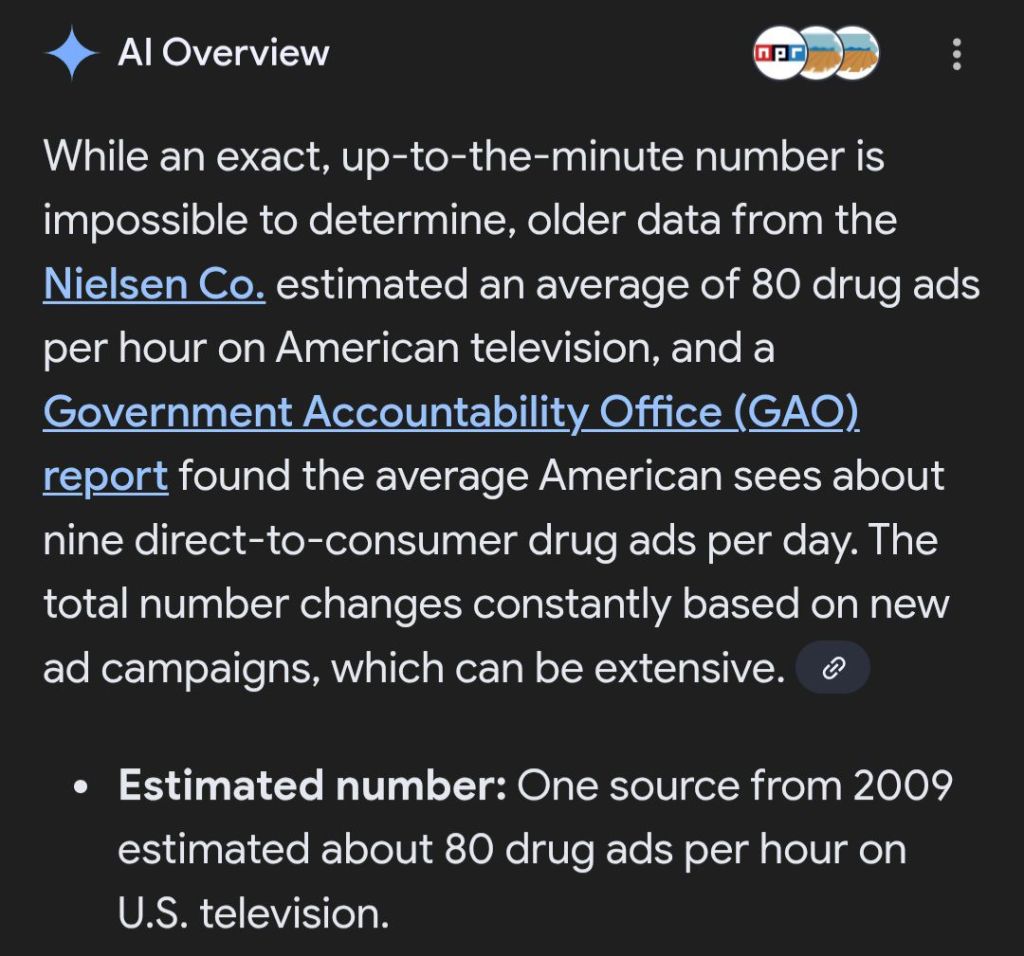
The corporate mainstream media and news outlets play drug ads marketing the deadliest poisons imaginable 24 hours a day, 7days a week, 365 days a year, and people still believe that these companies are reporting non-biased information about health news.
The number of drug commercials per hour is significantly higher today than it was in 2009.
People are hypnotized through media and entertainment programming to believe that traditional medicine is a noble and benevolent profession dedicated to getting sick people well. It’s nothing close to the image being conveyed by Hollywood.
Glorifying Medicine
These medical drama series are nauseating to anyone who is even remotely aware of how human health is truly achieved.
The continued glorification of Medicine year after year through cinematic and television creations is no accident, but rather a cleverly premeditated strategy by our controllers.
People in America and the realm over grew up watching movies, weekly television shows, and soap operas that continuously pounded into their minds a benevolent image of medical doctors and their magical bag of healing tricks.
When people are constantly exposed to that type of brainwashing day in and day out, year after year, they begin to believe the nonsense.
The best way to reach and cure a society brainwashed through a potent visual medium is to fight back using the same technology.
The Antidote!
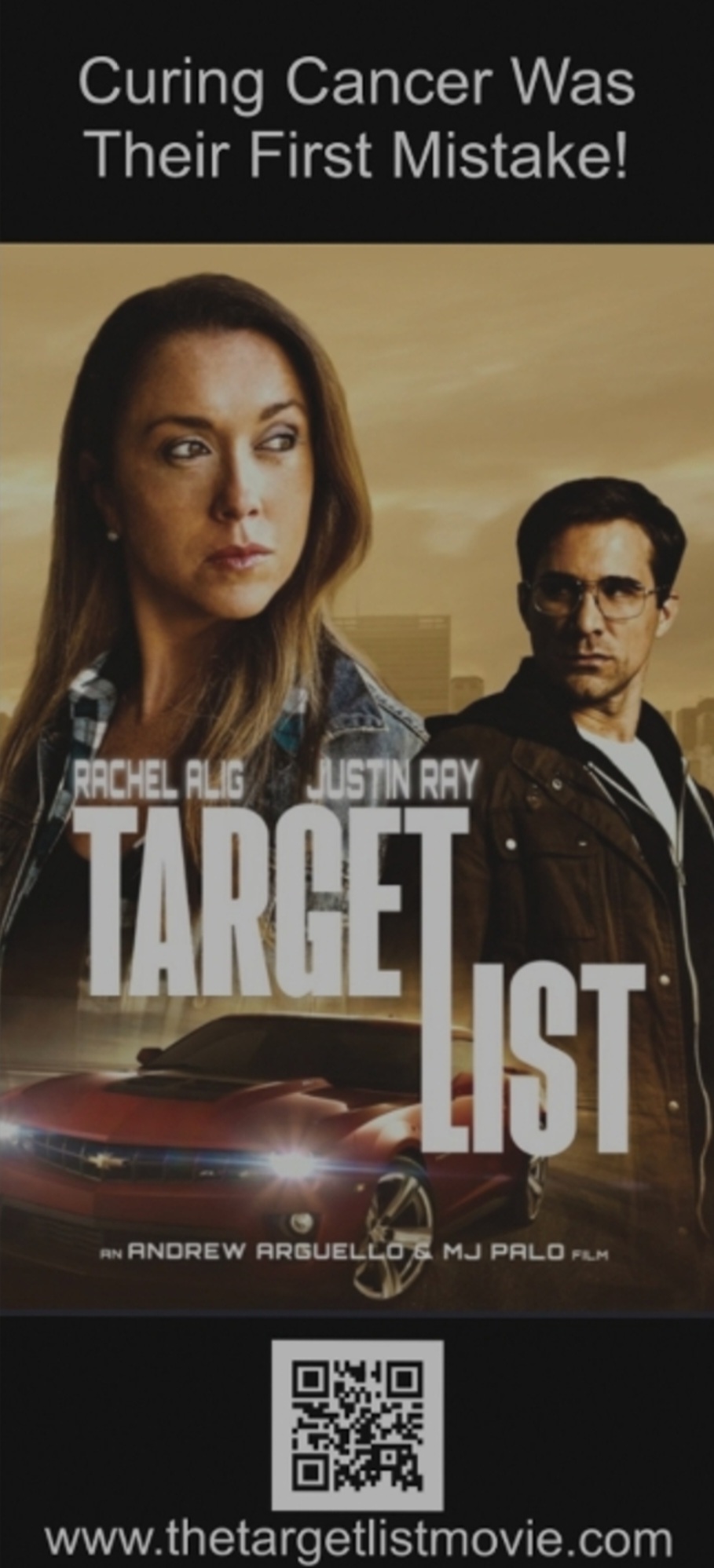
Target List is a high-energy, fast-paced action-comedy about the creation of a life-saving healthcare instrument and big pharma’s attempt to suppress the technology.
In April 2023, we struck back using the controllers’ own medicine against them!
Society needs to take as many doses of the Target List movie as possible and call their friends in the morning to share the same advice!
I received this post from an anonymous reader. Here’s what she wrote to me:
-Dr. Reizer
Hi Dr. John,
I have been a medical doctor for over two decades and am deeply troubled by what I have witnessed during the last five years.
Many of my colleagues feel like me. We are trapped in a medical system that seems to be injuring and killing more patients than saving lives.
I have believed for some time that the pandemic was a hoax. I believe that the virus is also fake. I am not alone in my thinking.
If I speak out against the crimes committed by my profession, I will lose everything I have worked so hard to achieve. Yet, I am continually haunted by the fact that my silence is allowing a lie to continue to influence the world about the alleged dangers of a fake virus and the harmful covid vaccines. However, it’s not just the mRNA vaccines that are dangerous; it’s all of them.
If I could go back in time, I would choose another career. I dislike working as an MD!
I admire the candidness in your writings and your willingness to tell the truth about important health issues.
I am attaching an article I wrote about becoming a medical doctor. Please feel free to edit and publish the content on your website. Maybe it will help others avoid the mistake I made many years ago.
Dr. Aimee
Don’t Do It!
I am going to piss off plenty of people who are in love with the profession of medicine by writing this information. I don’t care about doing so because it is time that young people in school wake up and stop feeding a monster that is killing millions of people every year.
Do you recall how nearly everyone aspired to become a medical doctor when they were children?
Becoming a medical doctor was a big deal for many youngsters. It was for me, too. There was a certain amount of prestige associated with that iconic image of a man or woman wearing a white coat with a stethoscope draped around their neck.
It’s cool stuff until you grow up and realize that becoming a tool for pharmaceuticalcompanies isn’t such a fantastic job after all.
In this article, I am going to tell you why it is not a great idea to pursue a career in medicine. Pay attention and save yourself and society a lot of pain and suffering.
1. Going to medical school is very expensive. You are going to be hundreds of thousands of dollars in debt for over 20 years or longer.
2. Going to medical school requires a ridiculous amount of studying that places tremendous stress on your health.
3. Medical doctors nowadays are salaried employees who work for hospital corporations that are paying less and less to their indentured servants and making medical staff work more and more hours. The days of owning a business and running a private practice are no more.
4. After you have invested years of your life in studying for a medical career, you discover that the profession you believed was backed by science is entangled in scientific fraud. What can you do at this point? Nothing! You will be forced to work in a profession that you know in your heart is based on a lie.
5. You want to help people, but you know that the license you have been issued, allowing you to practice your professional objective, is harming millions of people every year.
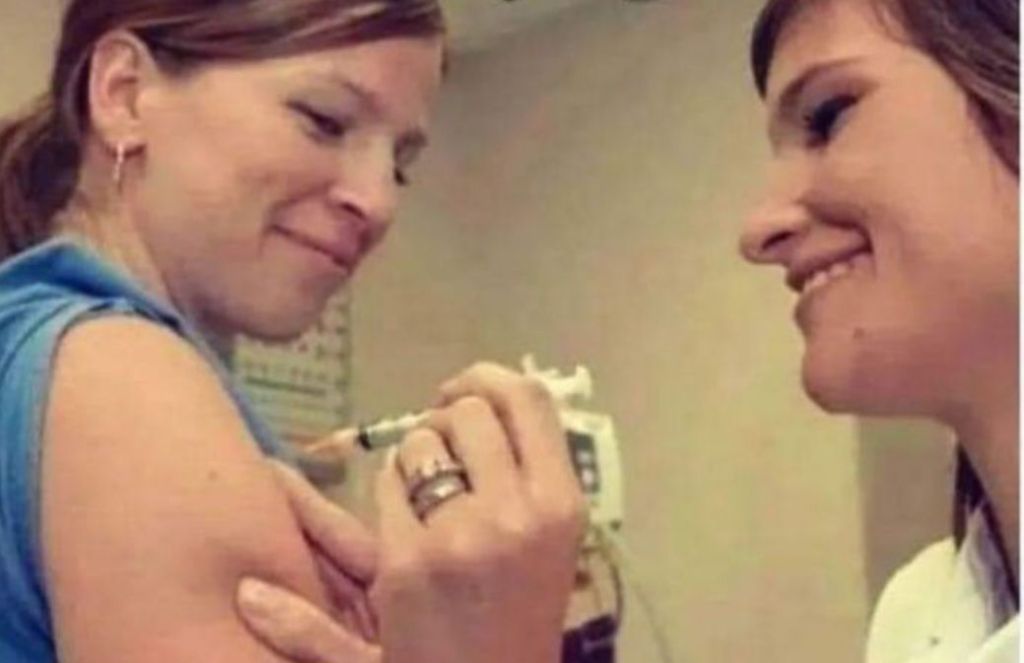
6. Your health is put at incredible risk. To go to medical school you have to take dangerous vaccines and continue to keep taking these drugs for the rest of your life to work in hospital centers.
7. You have to perform many procedures when “caring” for patients that are dangerous and jeopardize people’s health.
8. If you voice an opinion about anything that is in opposition to current medical practices, you will be disciplined and lose your medical license. For all intents and purposes, your career will be over.
Whatever you do in life, think it over carefully before pulling the trigger. It’s easy to change your mind about a career before you invest the time and money to make your dream come true.
Make sure your dream doesn’t turn out to be a nightmare.
The natural business model of an army is to fight enemies, so any large army will find enemies to justify its existence. Similarly, the natural business model of a government bureaucracy is to solve problems of the population it “serves,” so a large bureaucracy should be expected to find or invent problems to justify its existence. In similar manners will a religion find or invent threats to our spirit or soul for which it is the solution, and government-subsidised scientists find or invent threats to humanity for which they are the solution.
Many years ago, while teaching a radiographic course at a chiropractic college, a student asked me why various bone cancers appear differently on radiographs (x-rays).
In my opinion, good students are continually searching for the answers to many important and interesting questions.
Let me clarify what the student meant for readers. X-ray images of one cancer, such as osteosarcoma, may look like new bone forming in a “sunburst” pattern or a white, cloud-like lesion. Another bone cancer might appear on X-ray images as a punched-out area in your bone, which is a classic indicator of something called Multiple Myeloma.
I’ve Been Searchin’ So Long
I understood the new student’s challenges when looking at films (today’s digital images). It’s not always easy to spot the subtle differences between normal-looking presentations on radiographs and pathological ones.
I told the student that when biological pathways are dammed up, it creates different bad expressions of physiology which themselves have unique characteristics that end up appearing in specific ways on X-rays.
I explained to the student that what she saw in a radiographic presentation showing cancer was, in actuality, an expression of physiology gone bad. The problem was not actually in the bone, but rather somewhere else in the biological pathways of that individual.
Modern medicine identifies cancers with X-ray images and confirms the diagnoses with laboratory tests. But is that really where the person’s problem is, or is that where the expression of a blocked biological pathway shows its ugly head?
The problem with medical science is that it’s bought and paid for by corporations that don’t want various diseases (intellectual properties) eradicated. The research being performed aims to mitigate diseases indefinitely without finding solutions that would make said disorders disappear for good.
I don’t care where a cancerous lesion is in the body or shows up on an X-ray; that’s not the problem area, in my view. That expression of the problem comes from blocked physiological pathways somewhere else.
Medicine wants to study the physiological endpoints of bad expressions instead of clearing out the physiological pathways being interfered with.
When I explain my ideas about permanently eliminating chronic illnesses by focusing on clearing interferences from integral biological pathways, most medical people look at me like I am crazy. Instead, they want to keep injecting people with chemotherapy drugs and radiating tumors they have located.
Medicine has been performing such cancer treatments for decades without much success at all. It’s because they’re addressing an expression of a problem instead of the problem. OMG, it’s not that difficult to figure this stuff out. I’m a simple little chiropractor, and I figured this out during my third semester in college.
If you were looking into a mirror and saw a mustard stain on your mouth, would you try to wipe away the stain with a damp cloth by rubbing the mirror or your mouth? You would wipe away the stain on your mouth. The mirror’s reflection of the stain is not going to be your area of focus in resolving the problem, right?
You can’t convince medicine to stop trying to clean the damn mirror. 🤣
If I had a hundred dollars for every moron who tells me that there could never be an instrument, like the one in the Target List movie that could eradicate all forms of cancer, I would be a very rich man.
Not only would the instrument I describe in the Target List story work in real life, but I believe it would eliminate all chronic illnesses if it could clear out key vital biological pathways that were blocked or reset the integrity of health on a cellular level.
I have figured out in this lifetime that the people who know the least about a particular subject have the loudest mouths in a room or forum.
A New Free Book!
Over 15K Downloads Already! 👍
What if Artificial Intelligence is not what we’ve been led to believe?
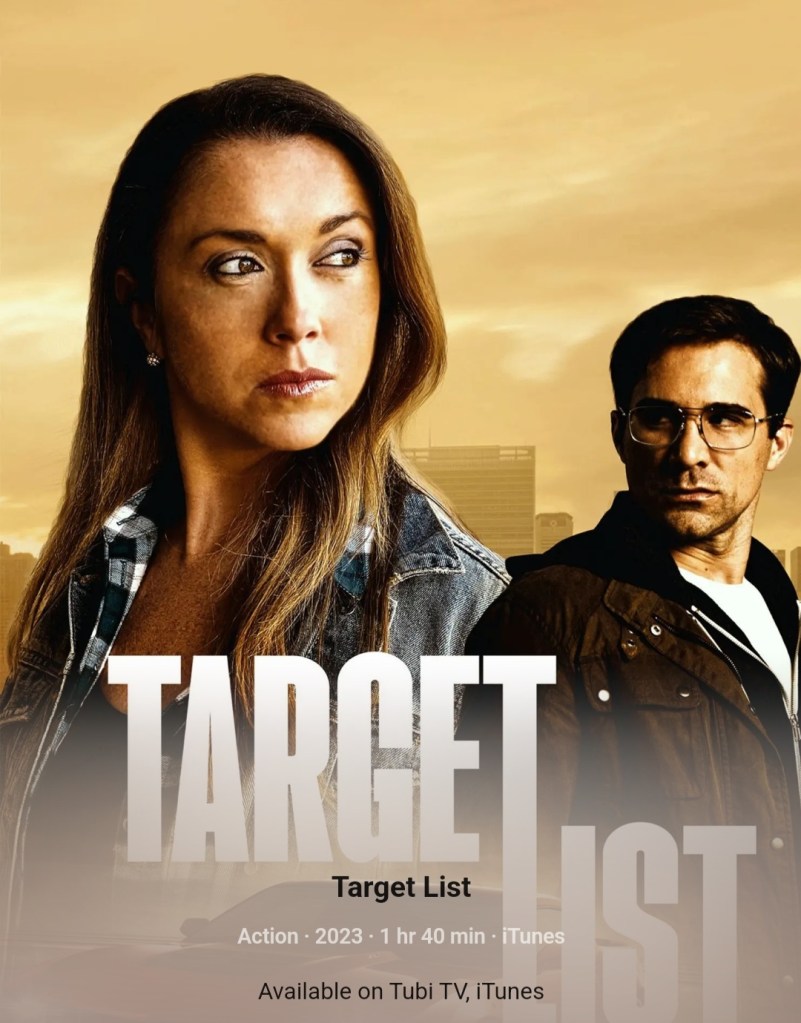
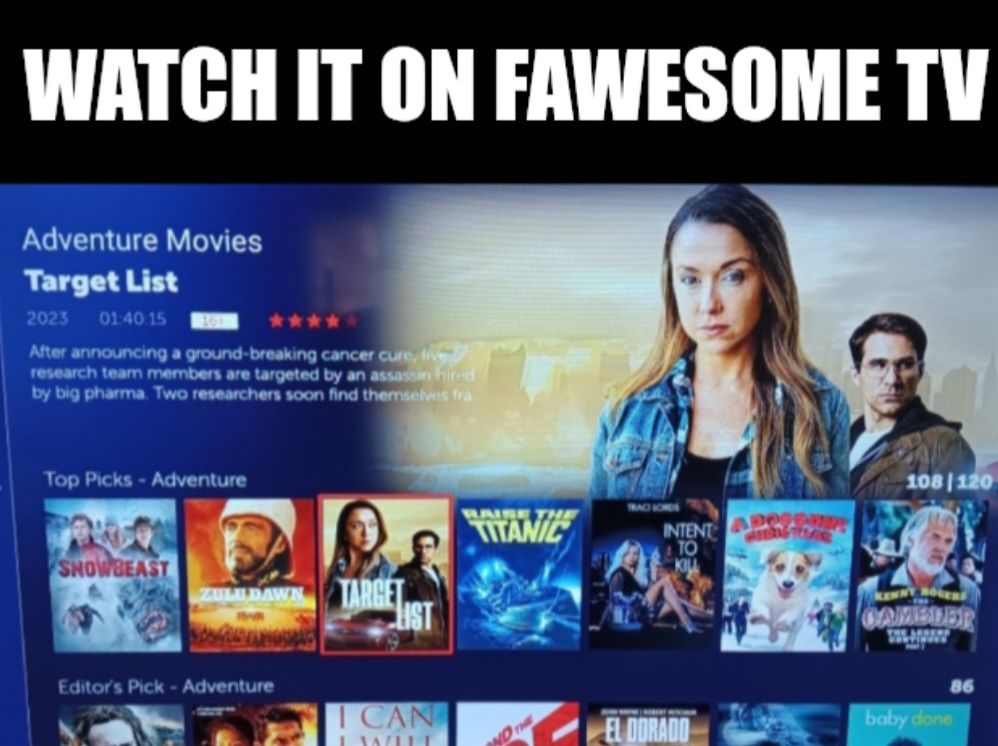
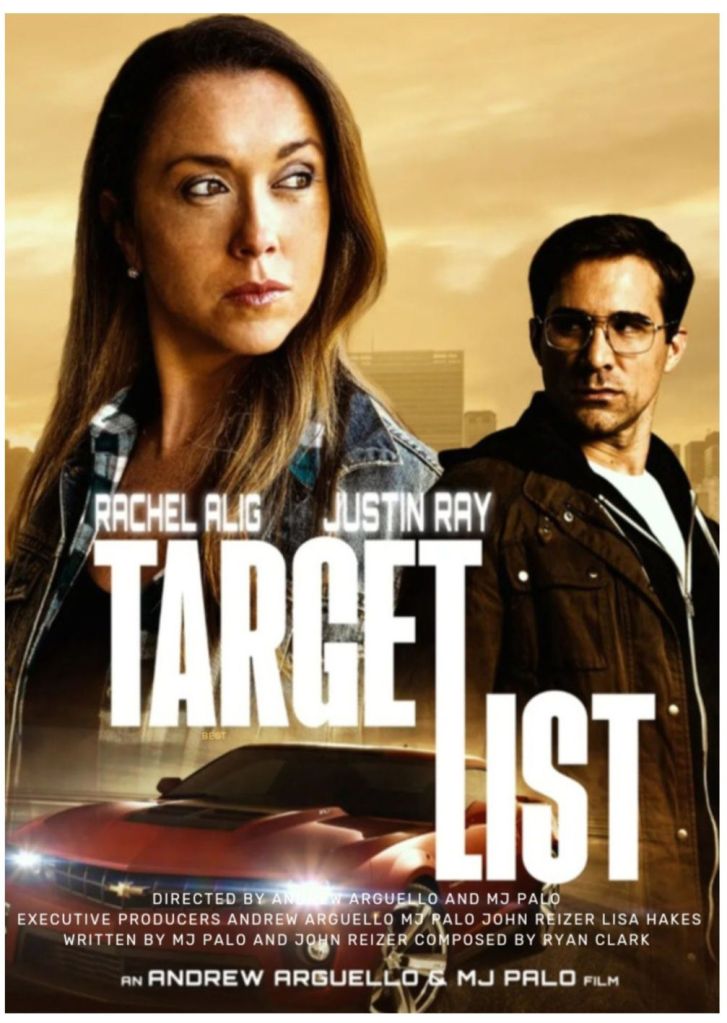
Target List is an independent action-comedy-thriller film from 2023. The story centers on two scientists who invent a groundbreaking, non-invasive cure for cancer, which puts them on the run from a ruthless assassin hired by a corrupt pharmaceutical company.
Plot summary
The invention: Scientists Donna (Rachel Alig) and Clyde (Justin Ray) have developed a medical device called “WAND” that can cure cancer using wave-particle-fluctuation physics without surgery, chemotherapy, or radiation.
Big pharma’s threat: After the invention is announced, the pair and their research team are targeted by a fictional pharmaceutical corporation named Orphium. The company hires an assassin to eliminate the scientists and suppress the cure.
The chase: Following an initial attack, Donna and Clyde escape, only to find themselves framed for the murder of their colleagues. The film follows their fast-paced, action-filled journey as they try to outrun the assassin and clear their names.
Action and comedy: While the premise is serious, the film is noted for its mix of action and humor, with comedic moments arising from the chemistry between the protagonists as they find themselves in a high-stakes situation.
Filmmakers and cast
Directors: Andrew Arguello and MJ Palo.
Writers: MJ Palo and John Reizer.
Key cast:
Rachel Alig as Donna
Justin Ray as Clyde
Charlie Manoukian
How to watch
Target List is available to watch on various streaming platforms:
WHAT’S KNOWN ABOUT SCIENCE, MEDICINE, HISTORY, RELIGION, POLITICS, ECONOMICS, GEOGRAPHY, WAR, SPACE TRAVEL, EDUCATION, EVOLUTION, ARCHEOLOGY, AND SO MANY OTHER SUBJECTS BY THOSE INDIVIDUALS RESIDING AT THE TOP OF THE PYRAMID OF KNOWLEDGE IS VASTLY DIFFERENT THAN WHAT IS KNOWN BY THOSE PEOPLE RESIDING AT THE LOWER LEVELS OF THE PYRAMID OF KNOWLEDGE!
“It is simply no longer possible to believe much of the clinical research that is published, or to rely on the judgment of trusted physicians or authoritative medical guidelines. I take no pleasure in this conclusion, which I reached slowly and reluctantly over my two decades as an editor of The New England Journal of Medicine.”
—Dr. Marcia Angell
John Reizer is a retired chiropractor and author. Born in Lakewood, New Jersey, in 1963, he resides in Inman, South Carolina.
John has written several novellas and is the founder and chief editor of the popular alternative news blog NoFakeNews.net.
John is a former associate professor of clinical sciences at Sherman College of Chiropractic in Spartanburg, South Carolina.
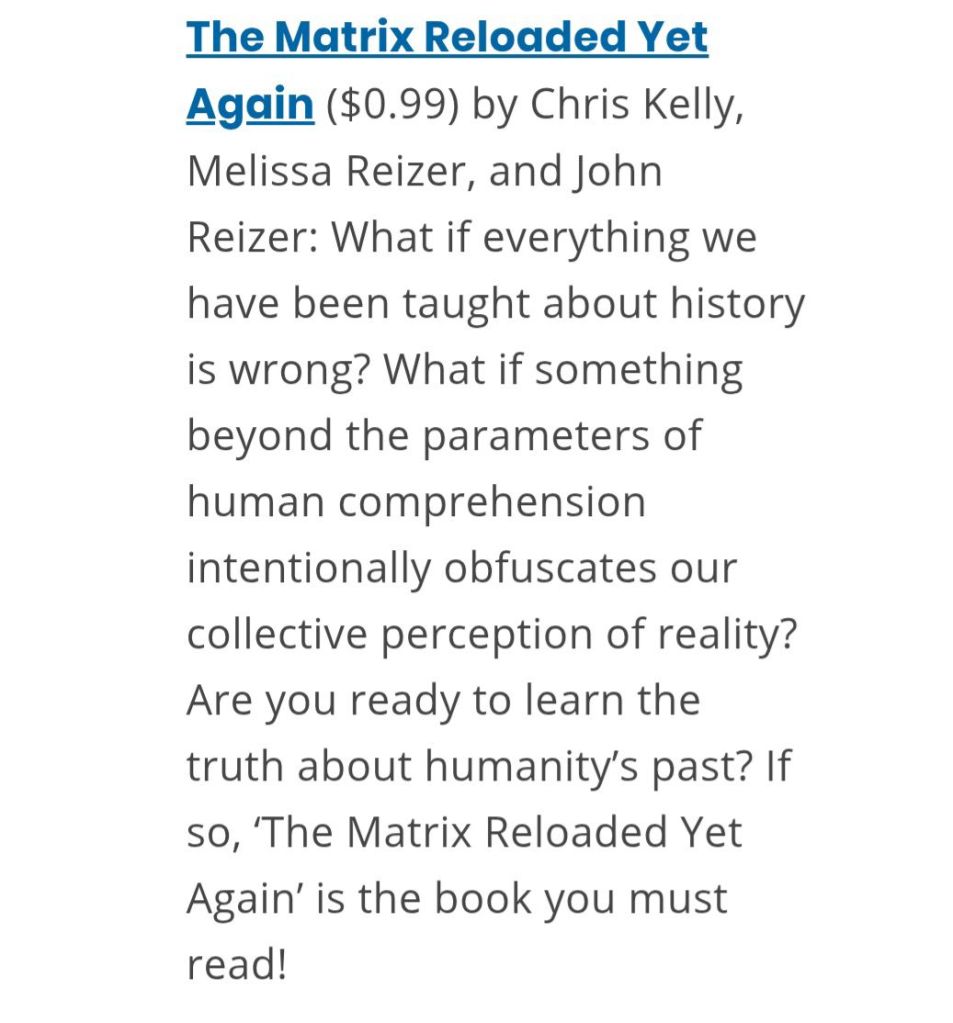
His most recent nonfiction work, The Matrix Reloaded Yet Again, will be released in November 2024. His most recent works of fiction are Answers, The Blue Marble, Plandemic, The Visitors, Aftermath, False Memory, The Homecoming, Frequency, and The Target List.
John’s novel, The Target List, was released as a feature film under the title Target List in 2023 by Mad Wife Productions.
1732766400
days
hours minutes seconds
until
The Book Release
The Matrix Reloaded Yet Again
Coming Thanksgiving Day!
This book ties everything together
Watch The Book Trailer
While most of us are preoccupied with a plethora of nonsense and other storylines intentionally placed in the mainstream news to keep us disconnected from more vitally essential subjects, a small percentage of the general public has awakened and swallowed the red pills.
Our book is written primarily for you — the red pillers! We believe The Matrix Reloaded Yet Again will serve as an essential launching point for most of its readers, who will then be able to do more extensive boots-on-the-ground research themselves.
“Target List is a highly enjoyable action-thriller that packs a punch with its well-crafted action sequences, strong performances, and engaging storyline.”
Although most people probably don’t think of them and their vocation in this way, medical doctors and the profession of medicine are subconsciously perceived by the vast majority of people as priests working in a church. The entire structure of the medical profession has been intentionally designed to mirror a religious experience. I kid you not!
When you walk into a house of worship, you enter a domain that is considered sacred by the members of the congregation. Inside a church, temple, synagogue, or any other religious chamber, there are specific rules that are generally understood and followed by its members. Criticizing the church is unacceptable behavior for church members.
In medicine, the doctor (priest, minister, rabbi) customarily wears a white gown (robe) that identifies him as the high priest in the congregation (practice). Within that practice, there are nurses (nuns) that assist the doctor in taking care of patients (members of the community) when they become ill (possessed by evil microbes). Patients do not usually question a doctor’s (minister’s) advice.
There are a variety of techniques (rituals) the profession of medicine uses to rid the body of diseases (evil spirits). Some of these techniques include introducing synthetic drugs (holy water) in patients, mass-produced by big pharma companies. In other situations, doctors cut out diseases in the body by performing surgeries (exorcisms) to remove infected tissues and organs (possessed body parts).
Question the intentions or integrity of the medical man and his influential support group of medical personnel, and the citizens of most communities will look upon you as a nut job (the devil). Question the medical protocols (biblical passages) written by the petrochemical corporations and firmly established within the base curricula of every medical school program worldwide and you will be labeled a charlatan, a quack, or a pseudo-scientist.
The big pharma companies secretly overseeing prestigious medical journals, the publishers of supposed peer-reviewed research, make sure doctors opposing the allopathic paradigm (drugs are the only way to achieve and maintain health) are always viewed by most people as unscientific.
In the Catholic Church, they teach parishioners that a young soul entering the world is compromised by original sin (a weakened immune system). It predisposes that vessel (body) to a life of demonic possession (sickness). The baptismal holy waters of the church (vaccination programs) are the only sure way to wash away the sins (childhood diseases) and set the soul right (create immunity against germs) so that it can enjoy an existence on Earth that is free from Satan’s temptations (bacteria and viral microbes).
I understand plenty of people will be incensed over what I have written in this article. A person that creates content questioning a particular religion’s philosophy or integrity will not win any popularity contests. And make no mistake, the medical profession is a powerful religion with many followers. That, in itself, is a sad fact, but also the primary reason why so many people are walking around sick and don’t understand why.
The faith and trust we have collectively invested, as a society, in medicine are based upon blind faith and not the profession’s ability to get sick people well. There are some pretty screwed-up concepts that medical dogma is based upon, and when one takes a close look at these ideas, their flaws become very apparent. It is because of this fact that the profession has been cleverly structured and marketed by its engineers to appear as a religion.
As a religion, medicine remains off-limits from would-be critics and avoids essential questions. These questions have needed to be answered for years, and yet they continue to be ignored by medicine’s leaders. Instead, we continue to hear and read about walkathons, parades, and fundraisers that supposedly benefit research for the future eradication of diseases that the medical profession and pharma corporations have no intention of ever eliminating!
It’s not a coincidence that many hospitals in the United States and worldwide have been named after religious organizations and saints. Let’s face facts; there aren’t any medical facilities named “The Charles Manson Center for Burned Victims. Medical institutions have been designed and branded in such a way that they are presently perceived, by the masses, as places of worship. Even the doctor’s classic white lab coat has been designed to instill, in the psyche of healthcare consumers, a sense of purity when they think of physicians.
Getting people to believe in the value of medicine has been the long-term goal of pharmaceutical companies. Their relentless commitment to this self-serving campaign has turned the public sector into a massive congregation of cheerleaders that ritualistically praise the medical industry. Communities throughout America and around the world regularly donate large amounts of money attempting to build and maintain hospital centers. These organizations are now the center points of all modern communities.
Don’t get me wrong, there are plenty of good medical doctors and surgeons worldwide, and some medical practice objectives can help save lives. But most of the successes attributed to modern medicine usually come in the form of emergency-based care and not from managing diseases and restoring health to the human body.
If we ever hope to improve the health of human beings and raise the overall quality of healthcare that’s practiced in the United States and other locations throughout the world, we will need to break the stranglehold pharma corporations have on the medical profession. These giant companies have hijacked medicine and made it sick. We need to turn our attention away from figuring out ways to pay for medical care and start concentrating on ways to fix the profession so that it stops making people sicker than they already are. In the future, we must evaluate medicine as a profession and not unthinkingly praise its false accomplishments that have, ultimately, been fabricated by drug companies and later promoted in peer-reviewed journals that are owned and operated by the same companies. It’s time for the members of the congregation (the general public) to get off their knees and begin holding traditional medicine (the church) accountable for its actions!
____________________
The Big Pharma Conspiracy Movie
“Curing cancer was their first mistake!”
An Andrew Arguello & MJ Palo Film
____________________
Click An Image Below To Buy From Your Favorite US Platform




































 NoFakeNews