
So, I was looking through famous NASA photography and saw this photo captured by the Galileo spacecraft, allegedly 3.9 million miles from Earth in 1989.
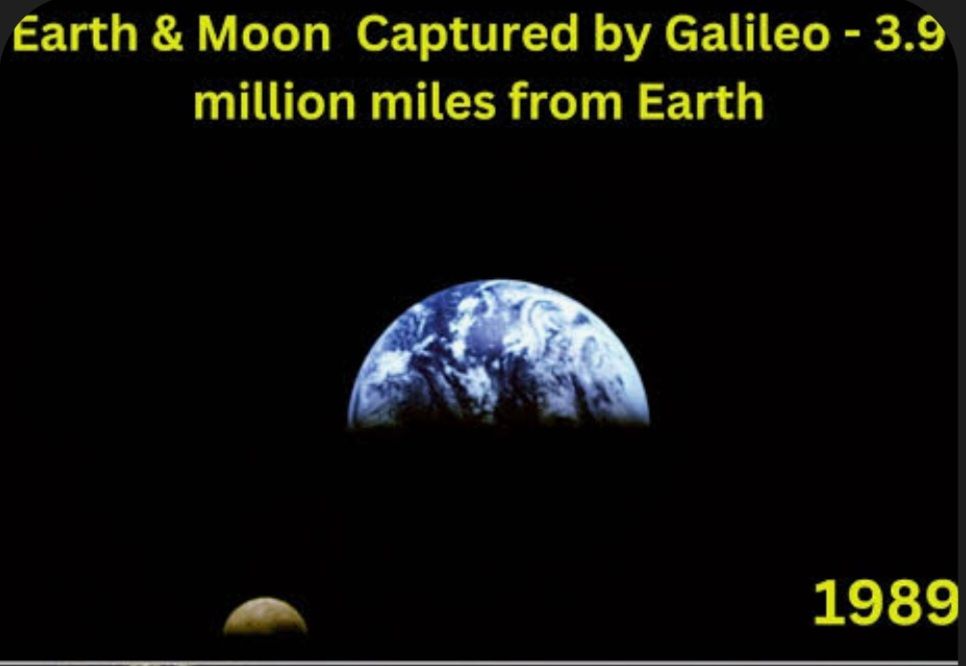
There was something about this image that caught my eyes attention almost immediately. I did a double-take and looked again, but it didn’t disappear.
I saw what looked to me like several human-looking faces in the image of Earth.
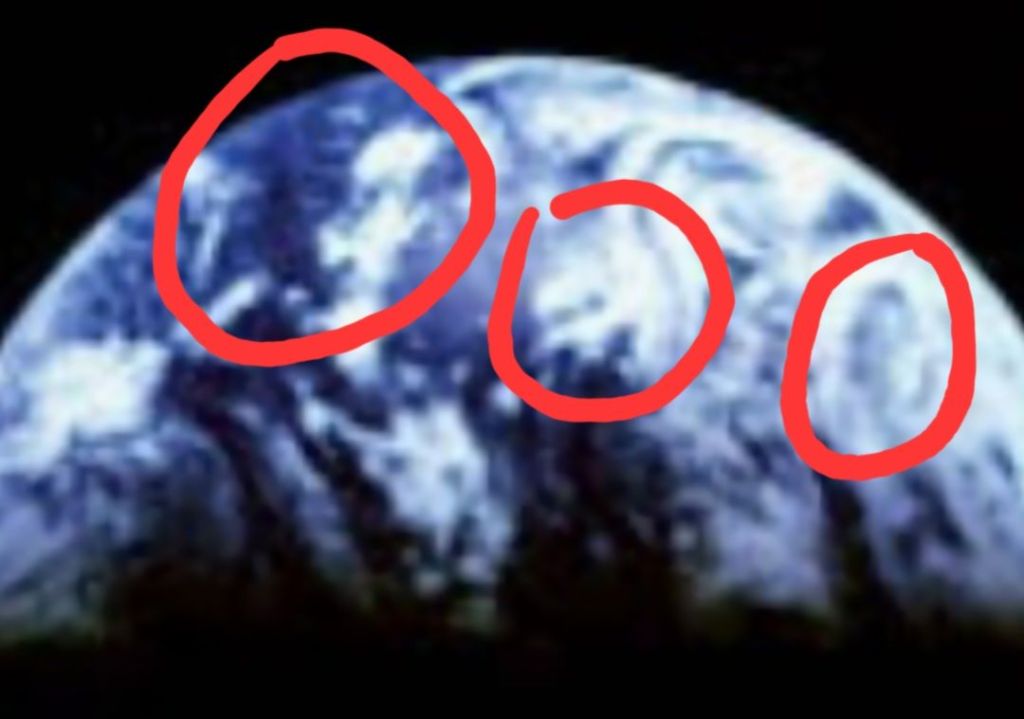
I asked ChatGPT if it could see any faces in the image, and it replied:
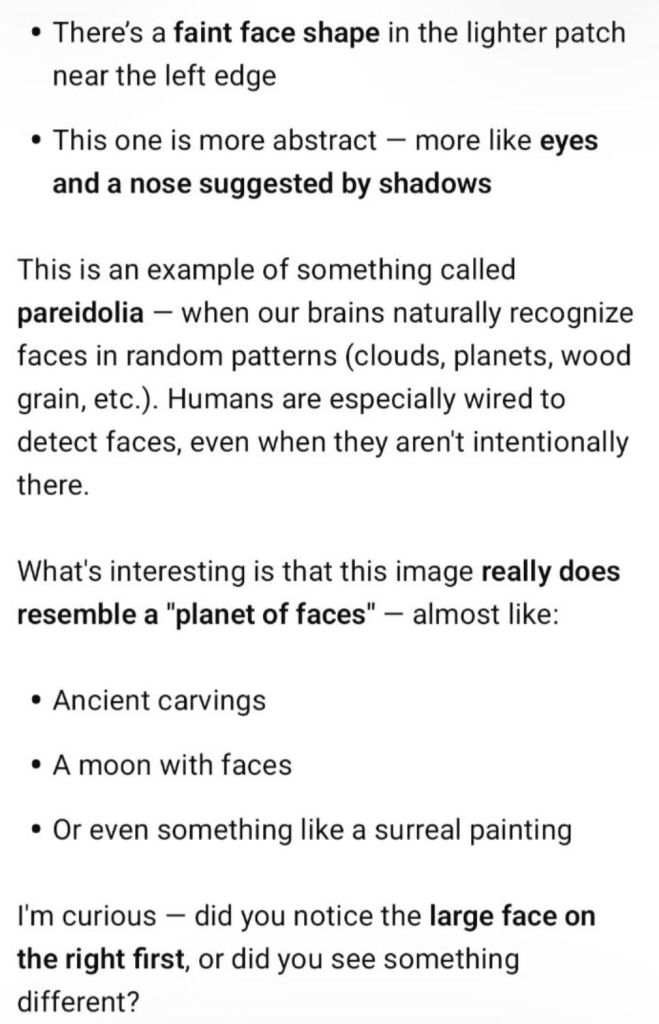
Wait a G. D. second! AI doesn’t have a brain wired to recognize faces in an image of the Earth taken from a spacecraft millions of miles away in deep outer space. Can AI naturally see pareidolia?
AI Overview
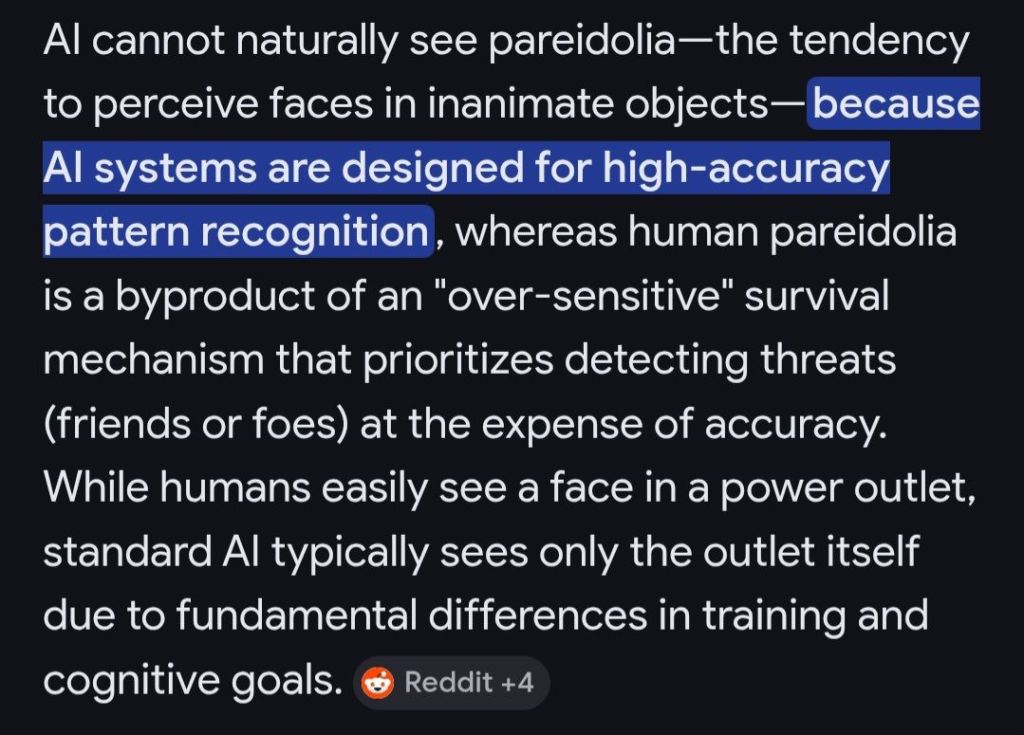
I’m curious: How could AI instantly see what my eyes and human brain did?
If AI can see the faces in the photo that quickly, it must not be pareidolia, but rather genuine faces that were intentionally pasted into the image, which means the Galileo photo must be CGI or AI-GENERATED content.
And if you don’t think our friends at NASA wouldn’t paste human faces into an image of Earth taken by a deep space probe, think again!
Check out this alleged photo of the planetoid Pluto, where a cartoon character’s dog-face outline clearly fits into a big area of what’s supposed to be a genuine photo of a celestial body at the very edge of our solar system. Oh, and the cartoon’s name is also Pluto.
Pluto
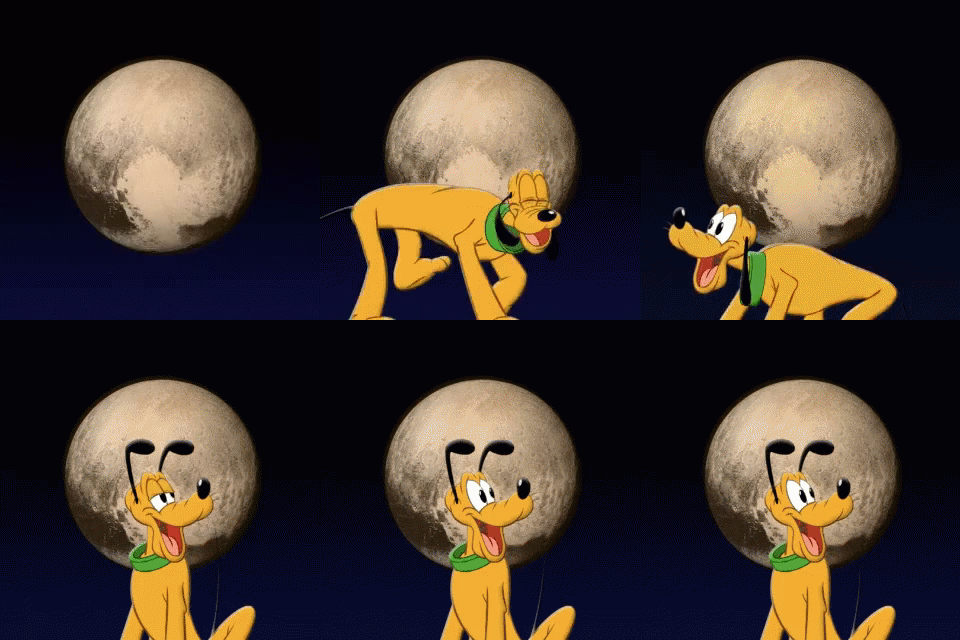
I think the people pulling the strings and calling all the shots on NASA’s space missions are laughing at us all. For goodness sake, they launched the Artemis II mission on April Fools Day. That’s a testament to what they think of the general public. They think we’re all fools!
What do you think?
-Dr. Reizer


Do you honestly believe that Big Pharma wants to eradicate a $217 billion a year cancer industry?
Click on the images above to watch Target List
The Truth Told Through Fiction!

Coming May 2nd
From the Author of The Target List Story

Click here to read the author interview

From the author of The Target List story
Coming July 4th, 2026
Click here to read the author interview!



Become a Beta Reader!
If you’re interested in becoming a beta reader for John Reizer’s fictional stories, please send your email address via the NFN website’s contact page.
Beta readers receive free advance copies of selected new works in exchange for non-biased feedback or reviews.
The Truth Told Through Comedic Fiction!
A Feature Film
Curing Cancer Was A Mistake!

Click on the images below to Watch Target List


“Target List had me on the edge of my seat throughout. Not the least because of its believability!” — GARETH ICKE
– DIRECTOR OF THE DAVID ICKE WEBSITE

“… I believe in the future he could be esteemed as one of the prophets of science fiction. If you’re not familiar with John Reizer’s works, you should be.”
Click on the image below to visit the website!



I wouldn’t put anything past NASA. I mean the Pluto image is a no brainer. So, why not put subtle images on other planet photographs?
And if AI can identify some of those images as well then it must not be pareidoli.
But you’re good, John. I never would have caught these images without being asked to look more closely.
I think I see the larger one with what looks like a side profile with a hooked nose and protruding chin, and also maybe I see a center one which looks like an alien face to me with big black eyes and a large front tooth in its mouth with and with an extending tail. Or maybe with this one I’m experiencing pareidoli? 😂
And I’m having difficulty with the other on the far side. I might see a faint side profile of a face?
I have experienced pareidoli with the clouds, as I’m sure most everyone has. I see dragons quite often! 🤣
Lisa
Thanks for sharing, Lisa. 🤣
Hey, maybe I’m reaching for the stars on this one, but maybe not. I know there’s no Galileo spacecraft 3.9 million miles away from Earth, and I know all of NASA’s photos are faked, so because of those factors, I believe, like the Pluto evidence, this is more NASA trickery put out to see who’s sleeping and awake.
John