
The room was windowless and close-quartered, a beautifully polished oak table positioned in its center. The location was only a few miles from the Atlantic Ocean in Long Island, New York.
Thick paneled walls muffled the outside sounds, and a sole light fixture above cast an almost conspiratorial glow over the round table.
The Round Table
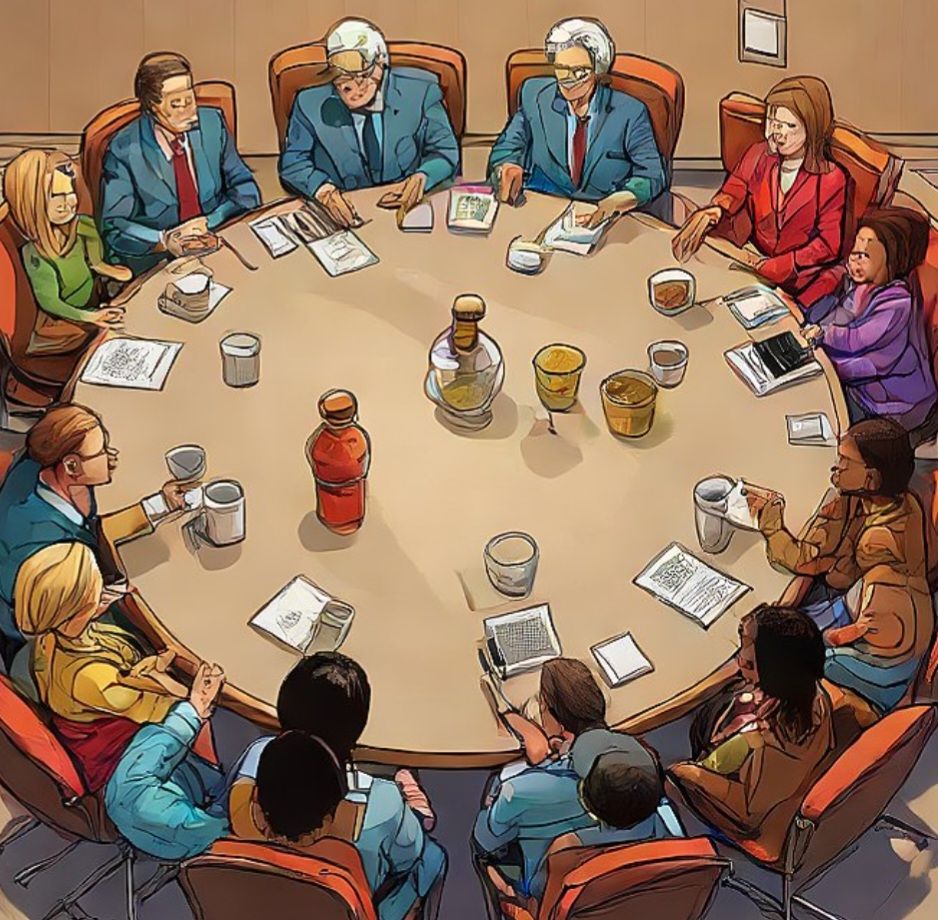
Photo Credit: AI-GENERATED
Around the elegant piece of furniture sat some of the brightest minds in the entire scientific community made up of physicists, chemists, mathematicians, and others who had spent a good portion of their lives chasing a theory that now lay in broken pieces before them.
Dr. Edward Warner interrupted the silence first. “It doesn’t work,” he said, fingers interlocked and his voice demonstrating signs of fatigue. “We’ve tried everything imaginable. No matter the presentation or isotope arrangement, the reaction doesn’t proceed as we theorized. It begins, looks promising, and then dies!
Whispers broke out around the table. Some of the attendees stared downward at their notes, while others looked off into space. The promising idea that had once excited them, the possibility of an unstoppable chain reaction, had now become an embarrassment, a collection of equations that refused to cooperate.
“It was perfect,” said Dr. Maria Hoyle quietly. “Too perfect, perhaps. Nature rarely cooperates as nicely as we anticipated.”
“And the government?” another voice asked. “They are expecting us to produce results, not excuses and a list of reasons explaining our collective failure.”
Warner leaned back. “They are expecting a prototype, a weapon.”
His words hung in the air for what seemed like an eternity.
For months, Washington, DC, had poured money, resources, and trust into what they believed would be the ultimate strategic advantage. A bomb of unimaginable power. A device that could end wars in a single detonation.
But there was no bomb or prototype, only a miscalculated theory, a failure!
Dr. Richard Klaus, who had said nothing all evening, finally broke his silence. “I believe we are looking at this the wrong way.”
All heads in the room turned his way.
“We’ve been trying to build something real,” he continued. “Something that works. But perhaps it doesn’t need to.”
Hoyle frowned. “You’re suggesting we lie?”
“I’m suggesting,” Klaus said slowly, “that we redefine our way of thinking and what we consider a successful outcome.”
A few of the participants scoffed, but no one interrupted Klaus.
“Think about what the government truly wants,” he said. “Not just a weapon, but leverage and, more importantly, fear. If others believe such a bomb exists, hell, if anyone believes it exists, then the mere idea becomes the weapon.”
Warner’s eyes narrowed. “You’re proposing a theatrical show?”
“Yes. A prototype that’s convincing enough to be witnessed, recorded, and written into the history books.” Klaus leaned forward, his voice gaining more confidence. “We don’t need nuclear fission to work. We need the world to believe it does.”
Silence overtook the room. Then, some soft conversations gradually returned, and finally, a noticeable change in the atmosphere resulted.
Dr. Hoyle was the first to grasp it fully. “You’re talking about engineering an illusion.”
“Yes, an illusion, but one with important consequences,” Klaus interjected. “If multiple nations believe in a doomsday device, if they think their enemies possess it, then war becomes almost irrational.”
“Mutually assured destruction,” Warner explained. “Even if it’s only theoretical.”
Klaus smiled. “Especially if it’s theoretical,” he continued. “Because no one will want to test the waters, so to speak.”
A realization spread across the room. They had failed collectively to unlock nature’s most destructive secret, but perhaps they had stumbled upon something just as powerful: fear itself, carefully constructed and deliberately deployed.
“But it has to be convincing,” someone said. “Not just on paper. They’ll want a test.”
“They will demand one,” Warner agreed.
Klaus nodded. “Then we give them one.”
He reached into his briefcase and withdrew a set of sketches, crude in appearance, but far enough along to get his idea across. A fake device had to be created, large and imposing, encased in steel. It would have realistic-looking internal components with sophisticated wiring. The prototype had to look menacing, as if it could bring the cataclysmic results previously imagined.
“It doesn’t have to sustain a chain reaction,” he explained. “It just has to look like it does.”
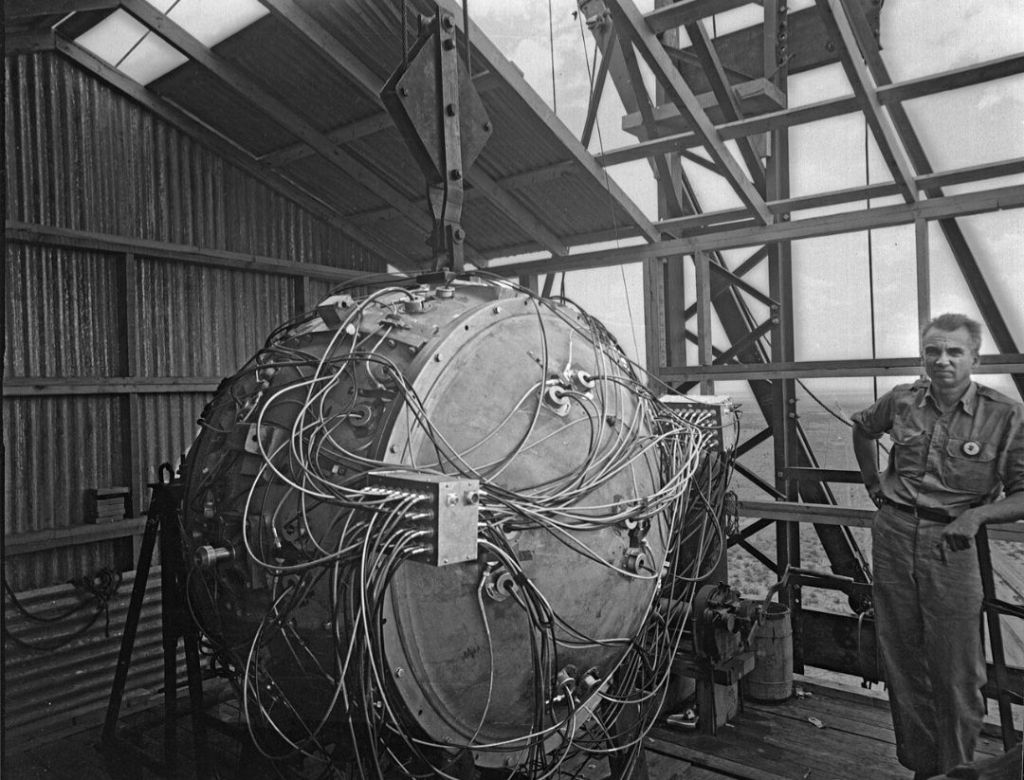
Photo Credit: Public Domain
Hoyle studied the drawings. “And what about the explosion?”
“Conventional,” Klaus said. “But upscaled beyond anything previously attempted. Carefully timed charges and detonations. We shape the blast, the light, the shockwave. We make the damn thing unprecedented.”
“It must be spectacular,” Warner chimed in.
“Yes, very much so,” Klaus replied.
A long, uncomfortable pause followed as the weight of the outlandish idea settled over them. This was no longer science. It was theater, strategy, and deception rolled into one.
“And this becomes…” Hoyle began before being interrupted.
“The next phase of modern warfare,” Warner finished. “A large concerted effort of people working on a project. But it will be very much compartmentalized. The more personnel involved, the more secrecy will be required. No one will know what anyone else is doing. Everyone will work to complete a prototype that’s merely a prop and never know the difference. It’s downright ingenious!”
“A project,” someone added. “The Long Island Project!”
Klaus smiled. “Yes, a project that will appear to chase the bomb we could not build. But not the Long Island Project, because, remember, we were never here. How about somewhere down the road: The Manhattan Project?”
Warner exhaled, then nodded. “I like the sound of that! Then, this meeting was not a failure after all.”
“No,” Hoyle said, her voice more steady now. “It was a turning point of sorts.”
Outside, in the distance, the Atlantic Ocean’s waves slapped up against the sandy beaches. But inside, history quietly changed its direction.
The Long Island Project would never be spoken of again publicly. Its records would be buried, its participants sworn to silence. But from that hidden room would emerge something far larger and more powerful than a mighty bomb. From that meeting of scientific minds would emerge something that science couldn’t produce, a menacing weapon of mass destruction that, in truth, did not exist.
And not too far into the future after that little get together in Long Island, in the desert of New Mexico, beneath an early morning July sky, a fiery mushroom cloud would rise, engineered not from the splitting of an atom, but from the creative minds of men and women who understood that sometimes the most powerful force in the world was not energy, but rather human belief and imagination.
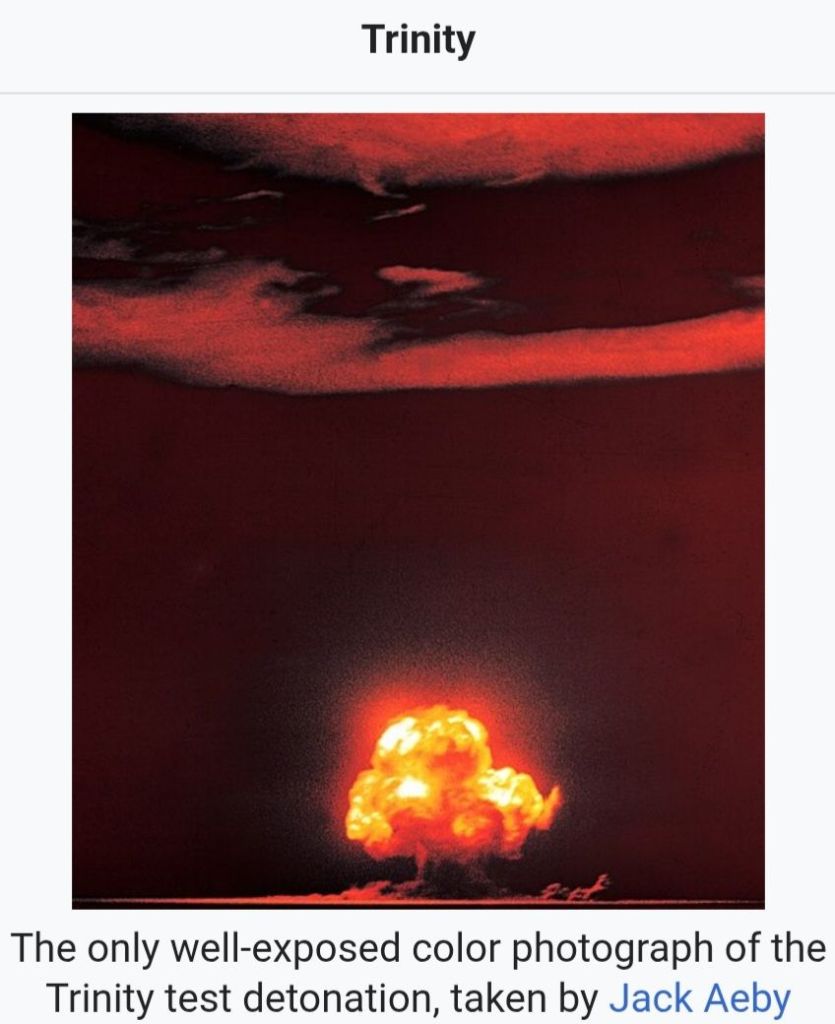
Photo Credit: Public Domain
Help us spread the word!


Watch it tonight!
The Truth Told Through Fiction!
Do you honestly believe that Big Pharma wants to eradicate a $217 billion a year cancer industry?

Click on the images above to watch Target List
From the author of The Target List story
Coming May 2, 2026
Click here to read the author interview

HOLOGRAMS
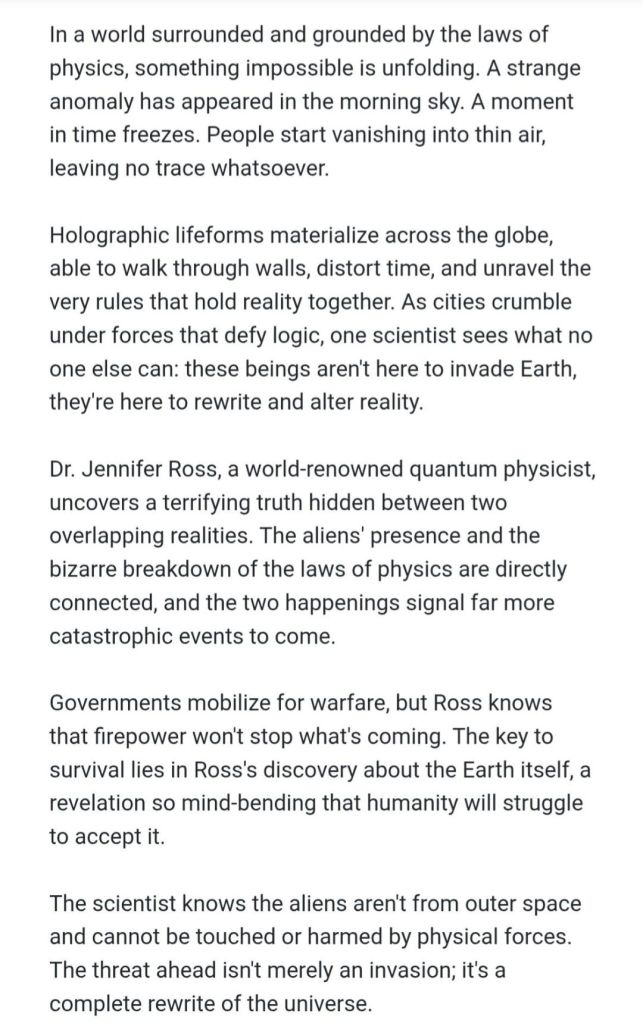


From the author of The Target List story
Coming July 4th, 2026
Click here to read the author interview!

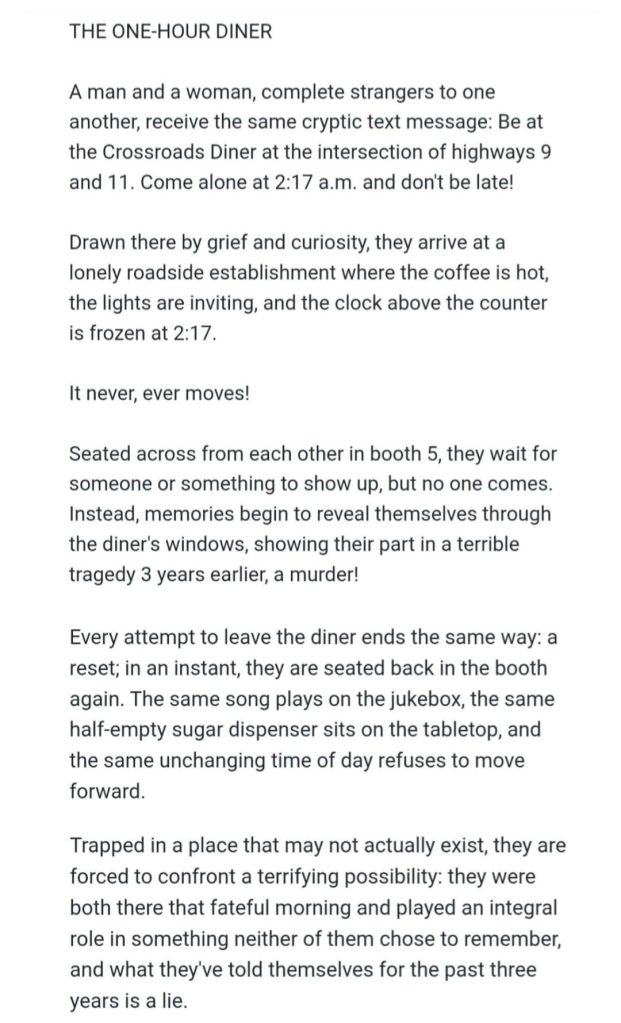
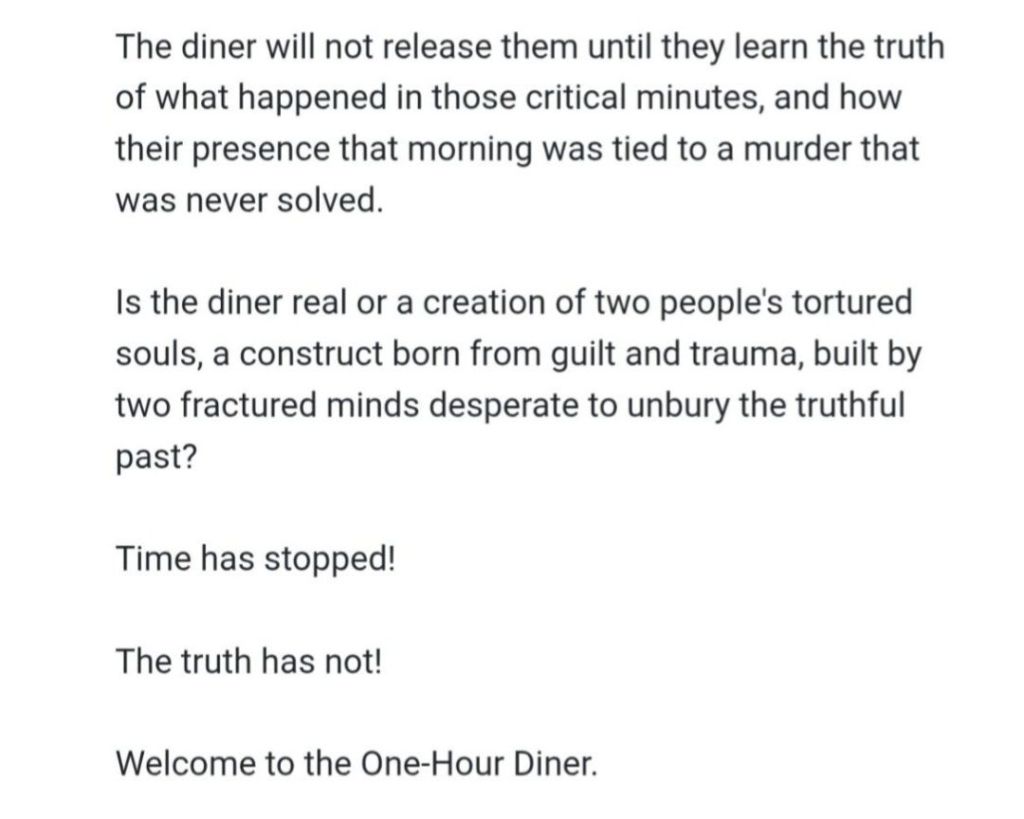

Become a Beta Reader!
If you’re interested in becoming a beta reader for John Reizer’s fictional stories, please send your email address via the NFN website’s contact page.
Beta readers receive free advance copies of selected new works in exchange for non-biased feedback or reviews.
The Truth Told Through Comedic Fiction!
A Feature Film
Curing Cancer Was A Mistake!

Click on the images below to Watch Target List

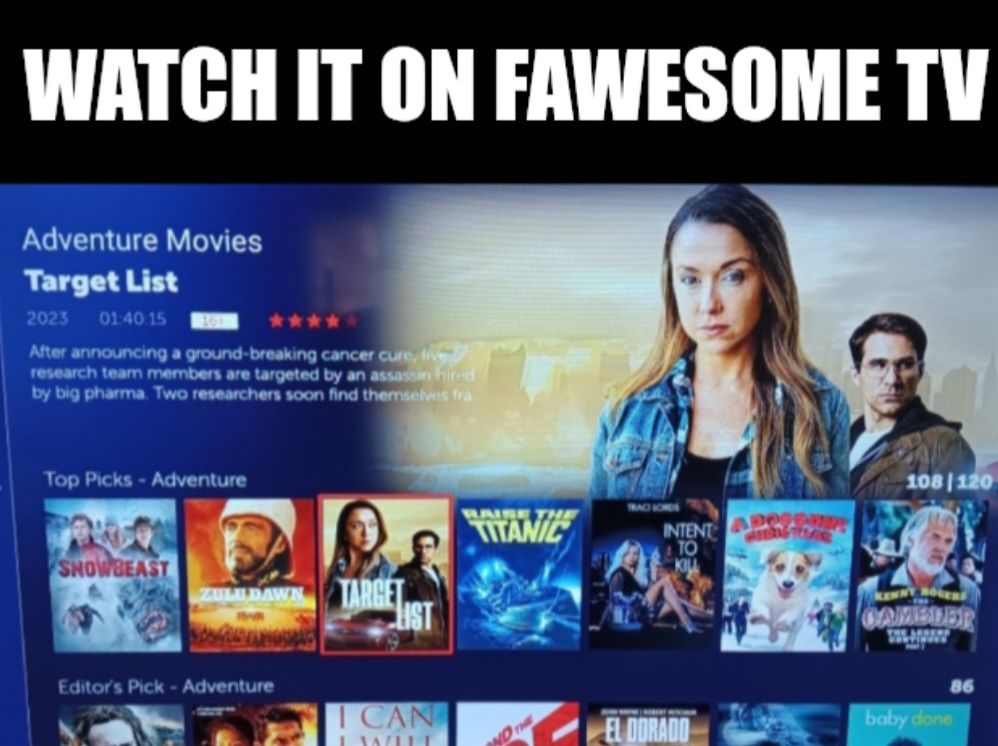
“Target List had me on the edge of my seat throughout. Not the least because of its believability!” — GARETH ICKE
– DIRECTOR OF THE DAVID ICKE WEBSITE

“… I believe in the future he could be esteemed as one of the prophets of science fiction. If you’re not familiar with John Reizer’s works, you should be.”
Click on the image below to visit the website!
 NoFakeNews