
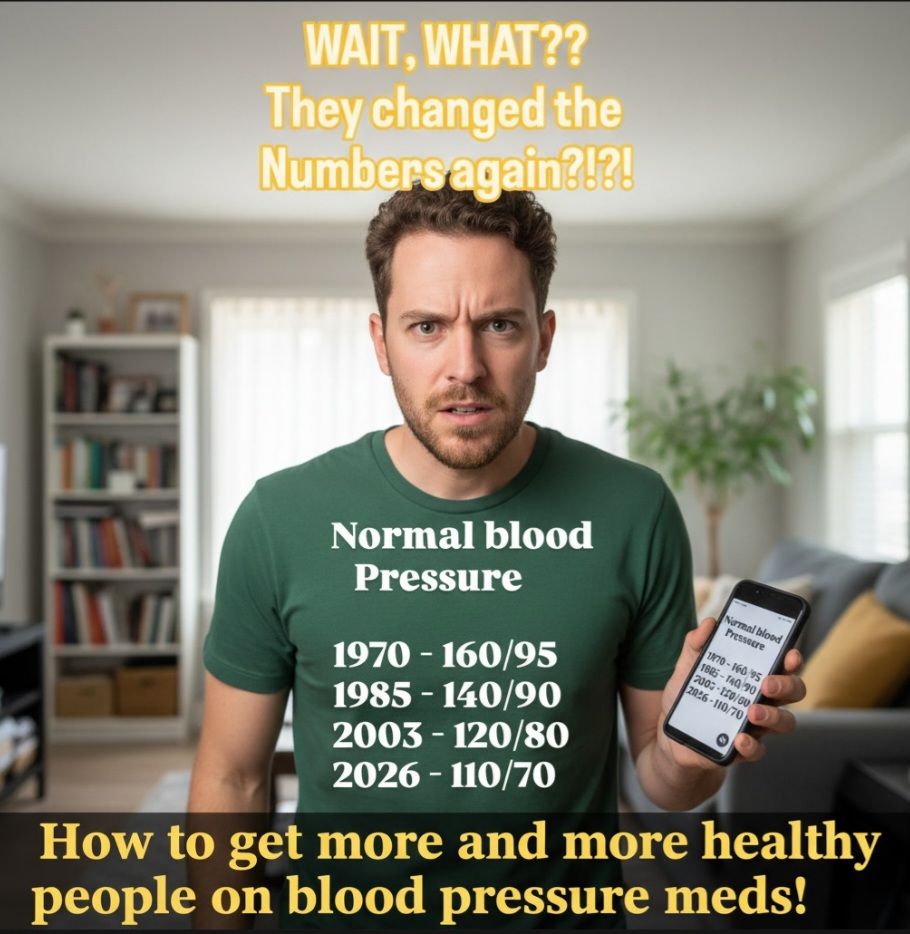
BIG PHARMA: You need to take these drugs forever, or you will die from a stroke or heart attack. You need to keep your blood pressure normal!
PATIENT: But my blood pressure is 118/76. I thought that was normal.
BIG PHARMA: What do you think this is, 2003? It’s 2026, and you’re very sick. Now open your mouth and swallow some health!
PATIENT: Thanks for letting me know I was sick and suffering from hypertension. I’ll be sure to take these drugs until I die!
BIG PHARMA: Make sure you do!
My Two Cents…
If a blood pressure of 160/95 were considered the norm as it rightfully should be, as it was in the 1970s through the mid 1980s, millions upon millions of people would lose their diagnoses of hypertension and not need to be on prescription drugs.
Officialdom will tell us that these normal levels were lowered because medical research showed that lower blood pressure readings lead to better patient health outcomes. In my opinion, scientific consensus on this subject is based on influence from Big Pharma in an effort to increase the number of patients needing medicines, and that is the only reason the changes were made.
-Dr. Reizer
Obligatory Disclaimer!
The health topics discussed in various articles on this platform are for informational purposes only and not intended as medical advice or to replace a professional relationship between a patient and a health care specialist.
From Author Lisa Hakes
Learn More Here!
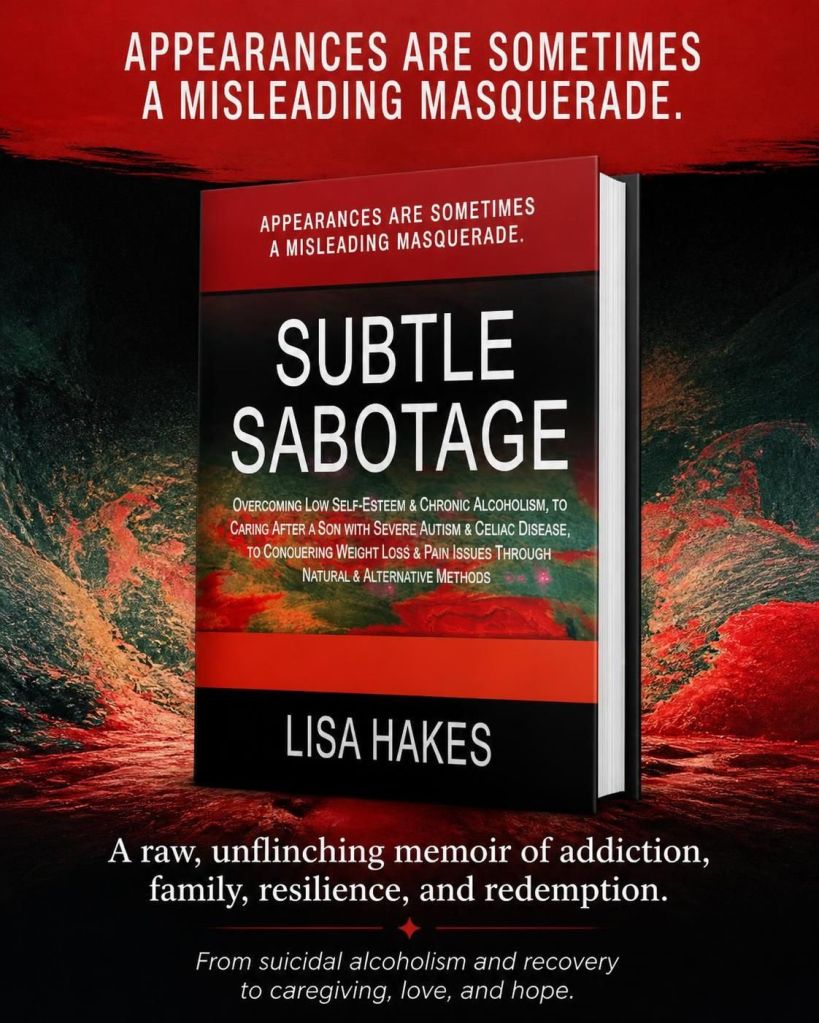
Additionally, it is a vaccine injury story!
Book overview
A raw and honest page-turning memoir of addiction, family dynamics, resilience, and redemption, Subtle Sabotage spans Lisa Hakes’ life as a suicidal alcoholic, her eventual recovery, and her current experience as the caretaker of an adult child with autism and celiac disease.
From Author John Reizer
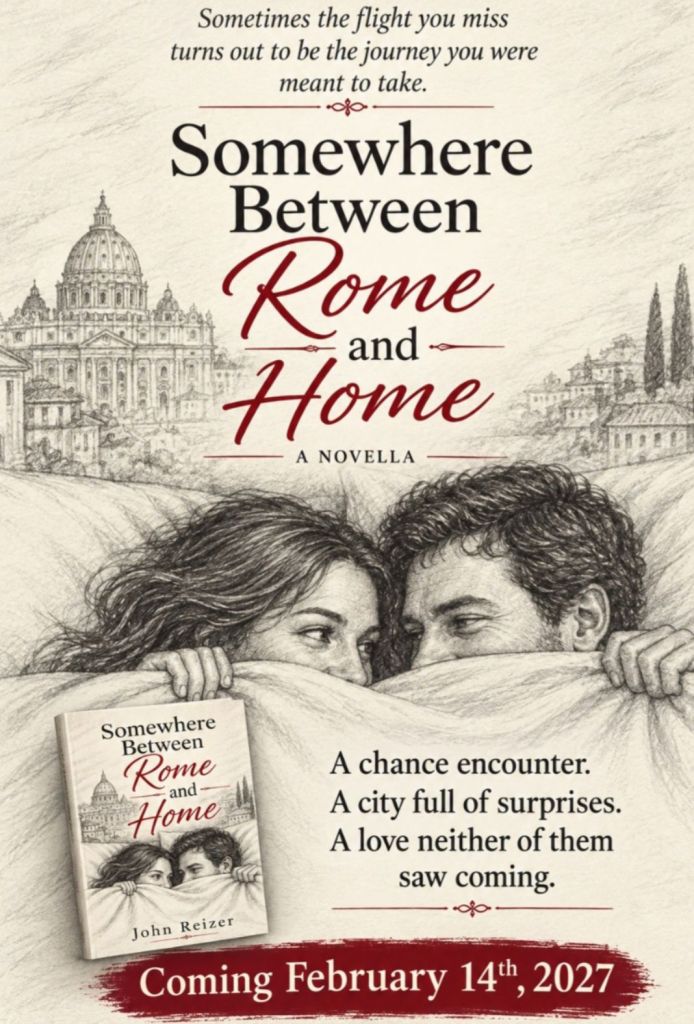
What’s it about?
When architect Nathan Wells and teacher Stephanie Bentley miss their flights home from Rome, they spend five unexpected days exploring the city together, forming a deep connection that challenges their separate lives.
Review
“Anyone who enjoys romance, chance meetings, and tales about two people finding each other at just the right time should pick this one up.“
—Jennifer Senick for Readers’ Favorite
Target List – A Feature Film
Click the poster below to watch Target List

About Target List
After announcing a ground-breaking cancer cure, five members of the research team are targeted by an assassin hired by big pharma. When two researchers escape the attack, they soon find themselves framed for the crime and on the killer’s target list.
Watch the Movie Trailer
Watch Target List for Free!
Click on the poster below to watch Target List

Click on the image to visit my author site.



Thanks, Ashley!
Lisa
Yeah, yeah, yeah, it’s all for a better patient outcome. 🤣 In my view, it’s as simple as this: when you lower the norms, you get more people on drugs!
Thanks for sharing that, Kenneth! 👍
John
I ran the meme by grok
AND *** true to my expectations:
The meme captures a real historical trend—blood pressure thresholds for “hypertension” have dropped over decades—but it oversimplifies, misstates the numbers, and frames it as a cynical pharma plot rather than evidence-driven updates. The changes reflect accumulating data from epidemiology (especially Framingham) and randomized trials showing that lower pressures reduce strokes, heart attacks, heart failure, and other risks, not a sudden rewrite of “normal.”
Scienceblog
Actual historical thresholds (US guidelines, roughly)
Late 1970s (JNC 1, ~1977): Hypertension defined around ≥160/95 (or diastolic ≥90–95 in earlier framing). Readings in the 140s–150s were often still viewed as acceptable or only “borderline,” especially with the old idea that pressure “should” rise with age.
Biologyinsights
1980s–early 1990s: Thresholds moved toward 140/90 as the clear hypertension line in successive JNC reports; systolic pressure gained more attention.
2003 (JNC 7): Hypertension stayed ≥140/90, but they introduced “prehypertension” (120–139 / 80–89) to flag elevated risk and encourage lifestyle changes. “Normal” was already framed as
Mdpi
2017 (ACC/AHA): Hypertension redefined as ≥130/80 (stage 1: 130–139/80–89; stage 2: ≥140/90). Normal remained
link.springer
2025 (updated AHA/ACC): Categories and the general
link.springer
The meme’s specific numbers (1970: 160/95; 1985: 140/90; 2003: 120/80; 2026: 110/70) are approximate at best and wrong at the end. 120/80 has long been the upper edge of “normal/ideal,” not a sudden 2003 invention, and 110/70 is not a current guideline target for defining normal.
Why the thresholds fell
Risk of cardiovascular events rises continuously with blood pressure starting from quite low levels (roughly above ~115/75). Large trials (VA Cooperative studies in the 1960s–70s, later ones including SPRINT) showed clear benefit from treating lower levels than previously thought, especially for people with other risk factors. Population blood pressures have also fallen over decades with better detection, treatment, and lifestyle shifts.
Scienceblog
Guidelines differ internationally: some (WHO/ISH, NICE) still lean more on 140/90 for the general population, while US and European cardiology societies push lower targets, particularly for higher-risk patients. Family-medicine groups have sometimes been more cautious about the lowest targets.
The “more people on meds” claim
Lowering the diagnostic line does increase the number of people labeled hypertensive and expands the pool who might benefit from medication (especially higher-risk individuals). That is intentional under a risk-reduction model. Critics (including some primary-care organizations) argue the absolute benefit is smaller for low-risk people at 130–139, that overtreatment risks exist (falls, side effects, cost), and that lifestyle should be emphasized harder. Pharmaceutical companies obviously benefit from larger treated populations, but the guideline shifts track trial evidence and epidemiology more than pure industry capture. Lifestyle (weight, sodium, activity, alcohol, sleep) remains first-line for many.
Bottom line: The meme is directionally right that the bar has been lowered repeatedly and that more people therefore meet criteria for attention or treatment. It is wrong on the precise historical numbers, invents a 2026 “110/70 normal,” and presents the changes as pure cynicism rather than responses to data showing lower is generally better for reducing hard outcomes. Blood pressure is one of the strongest modifiable cardiovascular risk factors; the debate is mainly about where the treatment threshold should sit for different risk groups and how aggressively to pursue the lowest targets.
Got it! 👍
Hi Ashley,
I haven’t received the article yet.
John
Thanks for sharing, Ashley! 🙂
John
Great reminder, John. And great info, Lisa!
In a multitude of instances, individuals I knew who were having a series of health issues ceased having those issues when they finally saw a doctor with common sense who took them off ALL of the medications they were on! In every case, their health — and life! — dramatically improved.
Ashley
Thanks for sharing that information, Lisa. The cardiologist is spot on, in my view. 😎
John
You’ve got that right, John, Big Pharma wants everyone to take drugs and vaccines until they die!
The following is an opinion from a cardiologist about blood pressure drugs.
Lisa
“If you’re blood pressure is high, pharmaceuticals are not the answer. They can lower the numbers but the question you need to ask, do they lower your risk of heart attack or stroke. I’m cardiologist doctor Jack Wolfson and for years I was taught of course to really push pharmaceuticals if their blood pressure was just a little bit high and to use the new guidelines. But lifestyle is not pushed by enough doctors. I’ve been pushing it for years. Eat the right foods such as wild seafood eggs, avocados, coconut raw dairy. Fruits and vegetables, raw honey or raw cocao. It’s fantastic. It’s a great source of magnesium raw cacoa, but pharmaceuticals is not the answer. And it’s not high blood pressure drugs. The goal is to get off the drugs. Understand that. You cannot be complacent. You cannot think that because your blood pressure is controlled on three drugs, you’re safe. You have normal blood pressure on drugs. But your risk of heart attack or stroke and dying is high.” – Dr. Jack Wolfson
👍😎
Yes! This (number change game) should be obvious to people. Sadly, people appear to be oblivious to to the falling numbers and uptick in the medicated population.
I noticed this trend waaay back— years… and even decades ago.